
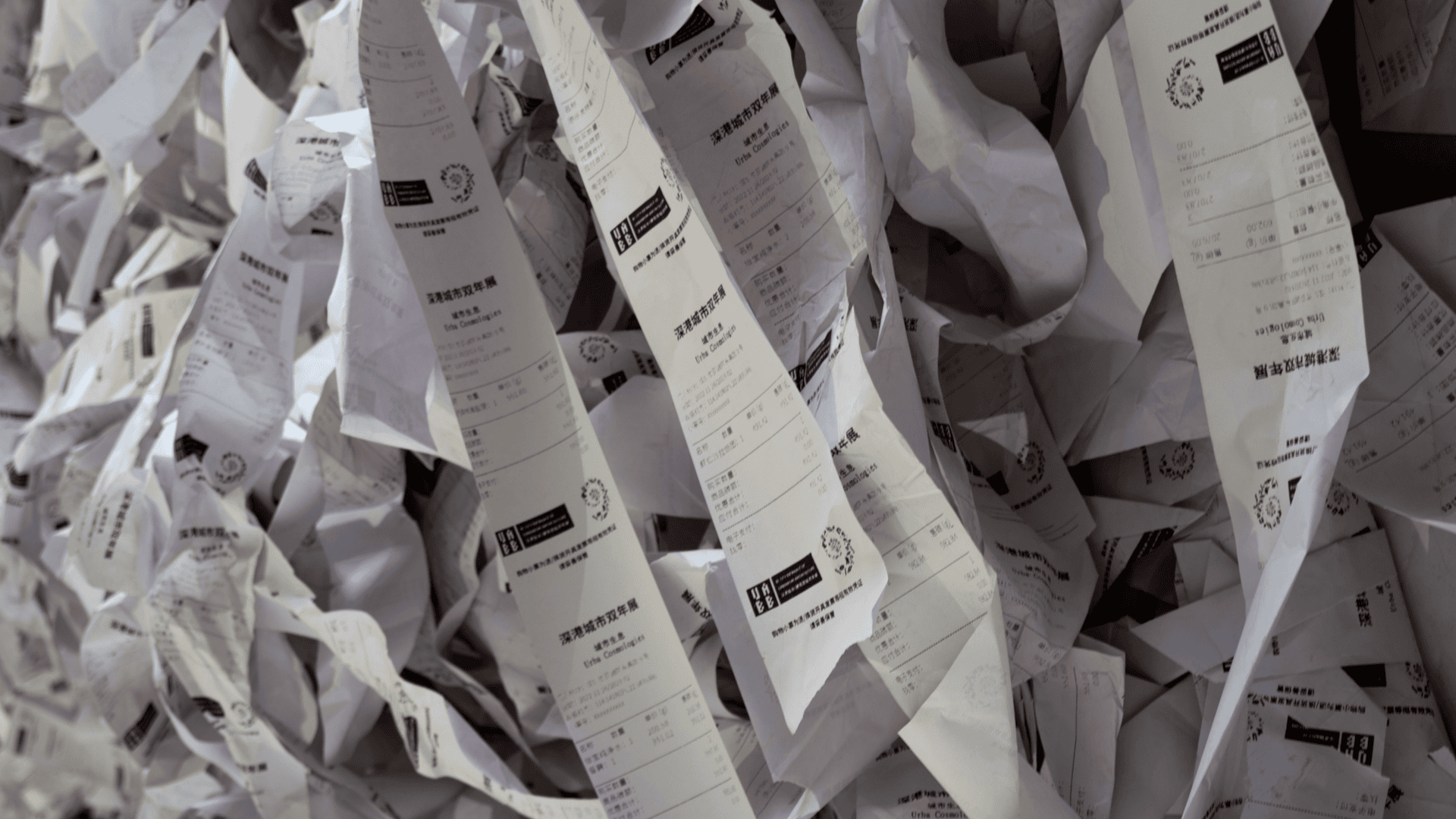
We’ve all been drilled to look out for phishing attacks, made more realistic and convincing thanks to generative AI. But what if there is a new threat coming from inside the house? Business groups are warning that they have seen a surge in AI being used to generate fake expense receipts, with workers hoping to scam their employers into providing reimbursement from corporate accounts.
Recent research from AppZen revealed that 14% of fake documents submitted in September were expense receipts. This is an increase from zero 12 months before. .
Similarly, Ramp, a Fintech group, announced that it had detected $1m in fraudulent invoices over 90 days. This signals that the threat is not something that can simply be ignored. Instead, finance teams need to be aware and on the lookout for employees abusing the expense process.
As for the cause of this new wave of fraud, expense software companies are pointing towards the launch of OpenAI’s GPT-4o in March 2024. The platform’s enhanced image generation makes it easier than ever for employees to generate realistic looking expense receipts they can submit to their accounts team.
AppZen has reported that one of the details that makes these receipts so realistic is that they aren’t perfect. The company points towards “details like food stains and crinkled paper to enhance authenticity.” The receipts also match line items to real menus and restaurants.
To combat this type of fraud, AI tools are now looking for similarities in time and server names that may indicate the receipt is faked. Additionally, while an AI image will contain metadata explaining its provenance, all of this information is lost if a user screenshots an AI image.
While some commentators argue that this is not a new issue—and it’s not, Photoshop has been available since the 1990s—the difference now is that anyone with a phone can partake in this type of fraud, without any technical skill or significant time investment.
“There is zero barrier for entry for people to do this. You don’t need any kind of technological skill or aptitude like you maybe would have needed five years ago using Photoshop,” Mason Wilder, Research Director at the Association of Certified Fraud Examiners, told the Financial Times.
AppZen goes on to explain that not all AI generated receipts are submitted maliciously: “[S]ometimes a fake receipt represents deliberate fraud, while in other cases, an employee might simply be trying to recreate a legitimately lost receipt.”


