
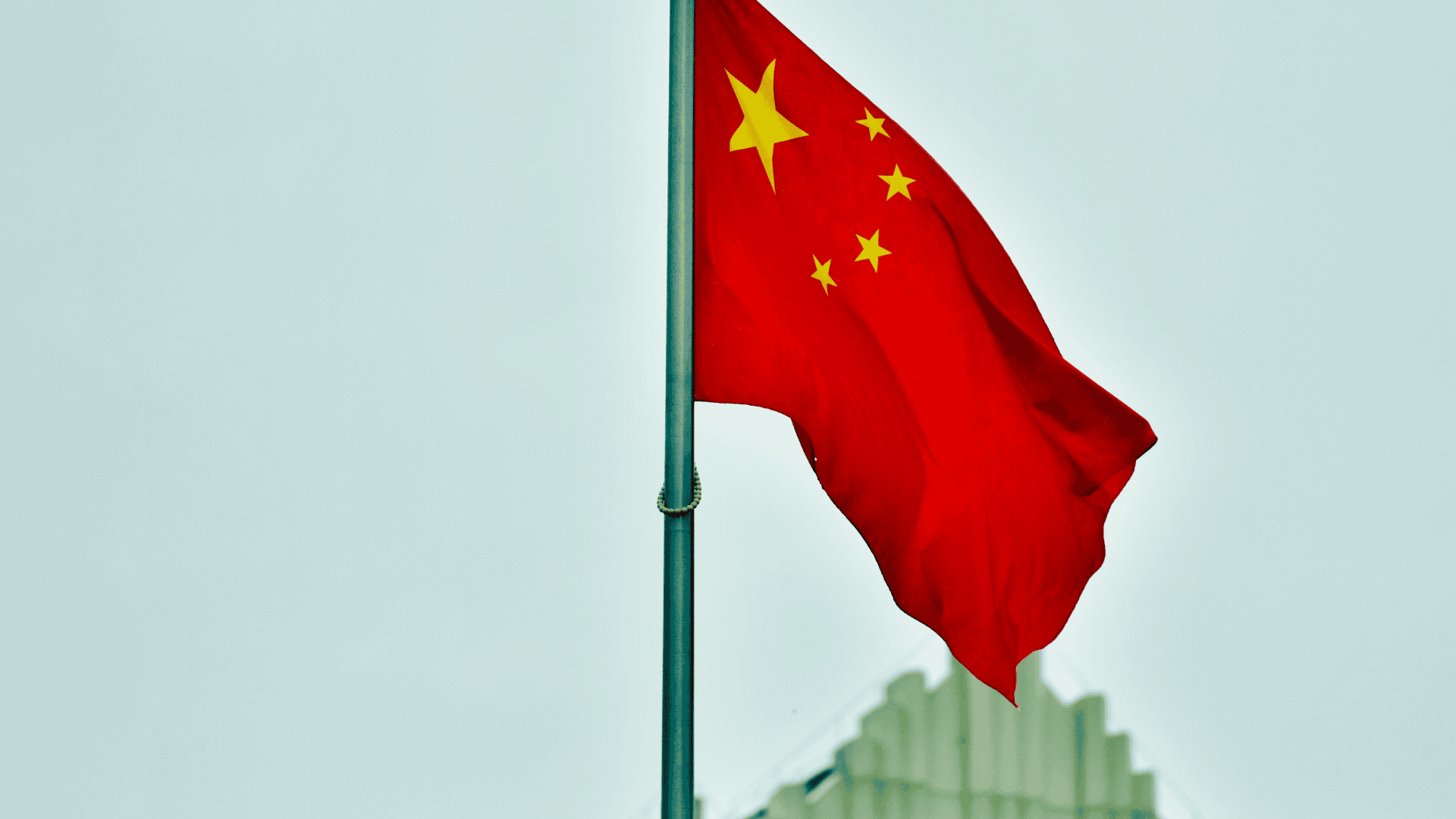
The Chinese government has urged developers to stop using recent versions of Anthropic’s AI coding model, Claude Code, days after reports claiming the company used spyware-like trackers to monitor Chinese users and access their data.
In an alert issued on Wednesday, the Chinese Ministry of Industry and Information Technology’s Network Security Threat and Vulnerability Information Sharing Platform, said the Claude models from 2.1.91 to 2.1.196 have a “security backdoor hidden” and that the platform is “seriously harmful.”
The ministry added the built-in mechanism backdoor allows the app to monitor and transfer data related to users’ geography and identity without consent. The ministry urged users to “immediately uninstall” affected versions or update to a secure release.
Anthropic on Thursday criticized the Chinese government’s action, noting that Chinese users have never been able to officially use its AI services and that the hidden code was simply used to stop unauthorized usage. The actions from the ministry come just days after a security expert claimed Anthropic used spyware-like trackers on Chinese users. The researcher, who goes by the moniker “Thereallo,” said the company deployed “prompt steganography” to hide code in plain sight, and that it covertly sent user data.
Anthropic has now removed this tracker, which it says was deployed as an “experiment” put in place to prevent abuse from unauthorized resellers and protect against distillation, where a rival trains a smaller model on a larger one’s outputs to replicate its capabilities.
Anthropic has never launched in China, citing national security concerns. Despite this, Chinese users have been known to access Anthropic platforms through virtual private networks or third-party proxies.
Prior to the ministry warning, Chinese e-commerce giant Alibaba also banned Claude Code beginning from July 10, over security concerns. In June, Anthropic accused the Chinese company of attempting to clone Claude. Anthropic has raised similar concerns against other Chinese apps such as DeepSeek, Moonshot, and MiniMax.
These events mark heightened tensions between Chinese and American AI companies over market dominance. Chinese AI companies such as the newly released Zhipu AI’s GLM-5.2 and DeepSeek R1 have ranked highly among capabilities, announcements of which have sent shockwaves across the US AI stock market.


